


10 Practical Ways to Lower Your Energy Bills
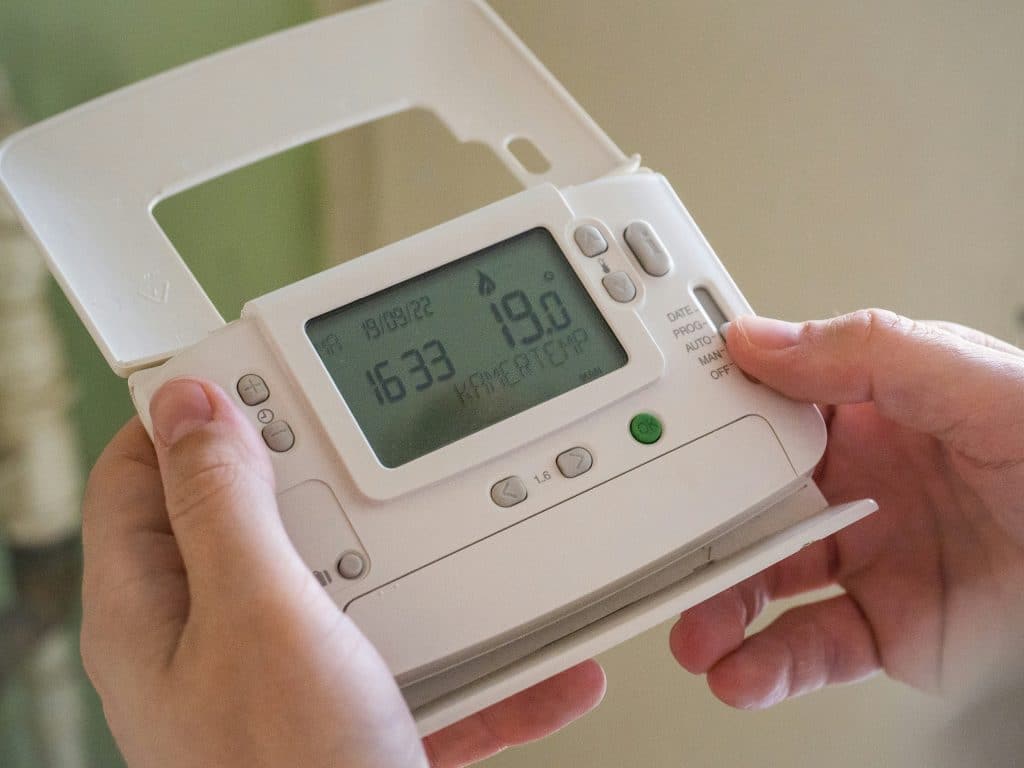
Electricity bills can easily leave you scratching your head. They’re unpredictable, expensive, actively rising, and are expected to continue growing throughout the years. The average annual salary in the United States for a middle-income household is a little over $63,500. Meanwhile, the average electricity bill is approximately $130, although this number can vary significantly depending on several variables. Electricity is expensive and will keep getting expensive, so we’ve rounded up 10 practical ways to lower your energy bills. Just a disclaimer, we’ll be avoiding filler and “sensible” approaches like switching off unused lights and such. If you’re reading this, you’ve likely tried all of these already and still can’t find the source of lost energy, so today, we’ll show you how to save energy bills at home with practical solutions. 1. Adjust Your Thermostat Settings to Save Electricity at Home The easiest way to lower your energy bill is to stop heating or cooling an empty house. The U.S. Department of Energy states you can save up to 10% a year on heating and cooling by turning your thermostat back 7°-10°F for 8 hours a day. This means setting the temperature higher when you’re away in the summer and lower in the winter. Install a Programmable or Smart Thermostat For a more automated approach, consider the technology that makes this effortless. A programmable thermostat automatically adjusts the temperature according to a schedule you set. You can set it to lower the heat 30 minutes after you leave for work and have the house comfortable again just before you return. This can save you about $180 a year. For even more control, a smart thermostat learns your schedule and preferences and can be controlled from your phone. According to ENERGY STAR, a certified smart thermostat can save you approximately $100 a year. 2. Maintain Your Furnace and HVAC System for Lower Electric Bills Heating and cooling account for nearly half of your home’s energy use. A neglected system has to work harder, use more energy, and cost you more money. Still, two simple habits can literally help you cut your power bill in half. Schedule Regular Tune-Ups Just like a car, your HVAC system needs a yearly check-up. A professional technician will clean components, check refrigerant levels, and ensure the system is running at peak performance. This not only lowers your energy bills but also helps prevent mid-winter breakdowns and extends the life of your equipment. Replace Air Filters on Time This is the simplest and most impactful maintenance task. A dirty filter restricts airflow, forcing your system to strain and consume more energy. Check your filter monthly and change it at least every 3 months. A clean filter protects your system from dust and dirt, which can lead to expensive repairs. 3. Seal Air Leaks Around Your Home or Apartment Your HVAC system might be working perfectly, but if your home is leaky, all that conditioned air is escaping. So, sealing up drafts ensures the air you pay to heat or cool stays inside. But how do you do that? Weatherstrip Doors and Windows Feel for drafts around your windows and exterior doors. Sealing these leaks with weatherstripping or caulk is a low-cost task that can have a big impact on your comfort and your bill. Add Insulation Where Needed The attic is often the biggest culprit for heat loss. Adding insulation there can slow the loss of heat in winter and keep heat out in summer, significantly reducing the workload on your HVAC system. Also, you may consider sealing your heating and cooling ducts. Gaps in the ducts that run through your attic or basement can waste 20% or more of the air moving through them. Fix Drafty Doors Just like windows, doors can also let air escape and contribute to significant heat loss. If you’ve ever walked past your front door on a cold day and felt a draft, you’ve experienced this firsthand—especially with larger entry doors. Upgrading your front door can make a noticeable difference in comfort and efficiency, and Kobyco’s door and window solutions offer a reliable way to improve both. 4. Use Energy-Efficient Lighting to Cut Your Electric Bill in Half This is one of the fastest and most effective upgrades you can make. Simply swapping out old incandescent bulbs for LED bulbs can save you about $225 a year in energy costs. LEDs use up to 90% less energy than traditional incandescent bulbs and last for years, so you will save money on both your energy bill and replacement costs. 5. Manage Hot Water Usage to Save on Energy Bills at Home Heating water is typically the second-largest energy expense in a home, accounting for about 18% of your utility bill. A simple and free fix is to turn down your water heater’s thermostat to 120°F. This is hot enough for all your needs, prevents scalding, and reduces the energy needed to keep water hot. 6. Cook and Clean More Efficiently to Reduce Your Electric Bill Your large kitchen and laundry appliances are significant energy users. You can use them smarter without sacrificing convenience. Run Full Loads in Dishwasher and Laundry Always wait until you have full loads before running your dishwasher and washing machine. This maximizes the energy and water used for each cycle. Air-Dry Clothes and Dishes When Possible Skip the dryer’s heat by using a clothesline or drying rack. As for your dishwasher, use the air-dry setting instead of the heat-dry cycle. These small changes avoid using a major appliance altogether. 7. Reduce Phantom Energy Loads with Smart Devices Many of your electronics are secretly sucking power 24/7, a waste known as “phantom load” or “vampire energy.” This happens with devices like televisions, chargers, and media players that use electricity even when switched off. This standby power can add up to $165 per year to your energy bill. The simplest solution is to unplug devices you are not using, but this can be a bit tedious, walking around unplugging and
Energy Saving Upgrades for Your Home or Business
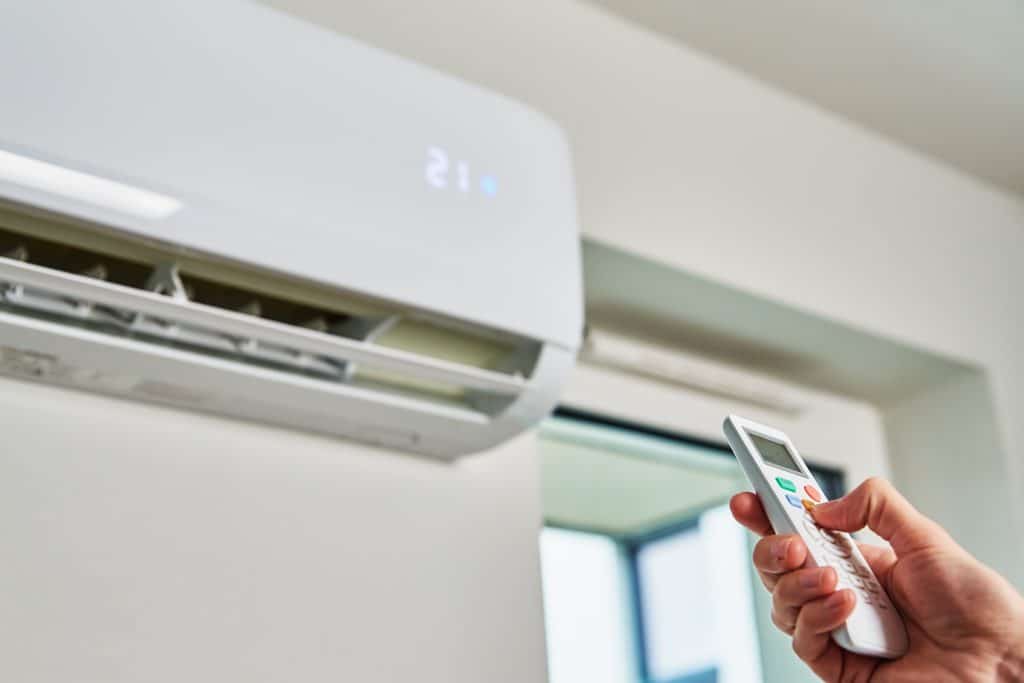
Did you know that heating and cooling account for over 40% of the average house’s energy use? For homeowners and businesses in Michigan, where winters are long, energy costs can spike. Improving efficiency will save money and provide long-term comfort. Some improvements, like modern HVAC systems and electrical panel upgrades, can significantly cut energy bills while reducing your carbon footprint. This guide highlights key upgrades and smart strategies that make it easier to choose what’s right for your home and maximize long-term savings. Benefits of Upgrading Your Home Heating System Upgrading an older heating system is one of the most effective strategies to save energy and lower monthly utility costs. There are also other benefits you can enjoy if you decide to upgrade it: Boost Efficiency with Modern Heating Solutions Modern furnaces and boilers are designed with higher efficiency ratings, which means they convert more of the fuel and electricity they consume into actual heat, cutting losses in half. Over time, this translates into noticeable savings. On top of that, for eco-conscious homeowners, such an upgrade can significantly reduce their house’s carbon footprint. By using less energy to produce the same heating performance, they’ll be enjoying a more sustainable heating system. Central Heating Upgrades for Reliable Performance Another benefit of upgrading an older heating system is comfort. Modern heating systems are better at distributing heat, doing so more evenly to prevent cold spots that are common with older units. Modern units also operate more quietly and reliably, so you can count on steady warmth throughout Michigan’s long winters without constant adjustments. In regions like Metro Detroit and across Michigan, where winters can be demanding, working with a trusted HVAC provider such as Elite Degrees ensures your system is upgraded and properly sized. Top Energy-Efficient Home Improvements When it comes to cutting energy costs and making your home more sustainable, upgrading your heating system is just the beginning. There are plenty of other improvements that you can use for a more efficient house and reduced monthly bills. Insulation and Air Sealing A well-insulated home will keep the heat in during Michigan winters and out during the summer months. According to Energy Star, you can save an average of 15% on heating and cooling costs by adding insulation in your basements, crawl spaces, and attics. This translates to about 11% of total energy bills. So, in a way, these upgrades will pay for themselves in a few years through energy savings. High Efficiency Windows and Doors What most people don’t realize is that old, single-pane windows are a major source of heat loss. Energy Star-certified windows can lower your house’s energy bills by a significant amount. Aside from saving energy, these windows prevent drafts and reduce outside noise, making them more comfortable in urban and suburban areas. You can also combine your efficiency upgrades with a full remodelling project—opening walls for replacing old windows is a nice opportunity to refresh the look of your house. Smart Thermostats Investing in a programmable or smart thermostat is one of the simplest yet most cost-effective upgrades you can do for your house. Such devices automatically adjust your home’s temperature based on your schedule, making sure you don’t waste energy heating when your house is empty. According to Energy Star, a certified smart thermostat can save up to 8% of heating and cooling costs in the typical US household. Savings may be higher depending on your HVAC equipment and climate in your area. Upgraded HVAC Equipment Upgrading your HVAC equipment can substantially reduce your utility bills. Here are the appliances that make the biggest difference: LED Light Fixtures LED lighting uses at least 75% less energy than traditional bulbs, going up to 90% in some cases. These lights convert a much higher percentage of used electrical energy into light, which reduces losses and accounts for a higher efficiency. In traditional bulbs, most energy is lost as heat. If you replace the traditional bulbs in your house with LEDs, you can cut lighting costs by a huge amount, and since lights account for approximately 15% of total energy use in your house, we’re talking a lot of savings over the years. Practical Ways to Improve Home Energy Efficiency You don’t always have to apply major renovations or buy costly equipment to improve your home’s energy performance. In some cases, small adjustments and regular maintenance are enough to have an impact on your monthly bills. Here are practical ways to improve your home energy efficiency: Regular HVAC Maintenance A well-maintained heating and cooling system will run more efficiently and last much longer than a neglected system. You should change the air filters every 1–3 months and constantly check ducts to make sure they’re not leaking. That way, you can prevent wasted energy and make sure there’s no strain on your system. If you have leaky ductwork, fixing it can improve your home’s efficiency by 20%, depending on the severity of the leak. That’s why it’s wise to keep an eye on your equipment and carry out regular maintenance. Take Advantage of Nature If there’s natural heat and light in your area, you should start taking advantage of it to cut unnecessary energy use. During the day, open the curtains and let the light in, so you don’t have to use bulbs. Likewise, during sunny winter days, keep the curtains open to let the warmth inside. You can also use the same tricks during the summer. If you use blinds or shades, you can reduce indoor heat, which prevents excessive air conditioner use. Adjust Your Thermostat Settings When everyone is at work or out of the house, you can lower your thermostat by a few degrees, around 7–10°F. Such a small adjustment can save up to 10% a year on heating costs, and you won’t feel any different because it’ll be while you’re out of the house. If you have a smart thermostat, you can program it to adjust itself every day at a given hour instead of